Flea Infestations
Why Treating Your Pet Isn't Enough
Have you noticed your pet scratching more than usual? Have you spotted tiny black specks in their coat, seen fleas jumping around your home, or even started getting itchy bites around your ankles?
Fleas are one of the most common parasites affecting our pets, and once they establish themselves in your home, they can be surprisingly difficult to get rid of.
The good news is that, with the right approach, consistency and a little patience, flea infestations can be brought under control.
At Pet Nurse Natasha, I want to help you understand why flea problems persist and how to tackle them effectively — protecting your pets and your home.
Why Are Fleas So Difficult to Get Rid Of?
One of the biggest misconceptions about fleas is that they all live on your pet.
In reality, around 95% of a flea infestation can be found in the environment rather than on your pet. This includes your carpets, flooring, bedding, sofas, soft furnishings and other areas where your pets spend time.
Adult fleas live on animals, where they feed and reproduce. Their eggs then fall off into the environment, allowing the life cycle to continue.
This means that even if you treat your pet and kill the adult fleas living on them, there may still be thousands of developing fleas in your home, waiting to emerge.
Simply treating your pet once is rarely enough to resolve an established infestation.
Understanding the Flea Life Cycle
Fleas develop through four life stages. Understanding these stages helps explain why an infestation can take weeks or months to bring under control.
1. Eggs
Adult female fleas lay eggs on your pet. These eggs aren't sticky, so they fall off into the environment, particularly where your pet sleeps, rests and spends time.
2. Larvae
The eggs hatch into larvae, which hide in carpets, cracks in flooring, bedding and other protected areas. They feed on organic material, including flea dirt, before developing further.
3. Pupae
The larvae develop into pupae inside protective cocoons. This is the most frustrating stage of the flea life cycle.
Pupae can remain protected in their cocoons for weeks or months, sometimes for much longer under favourable conditions. They are particularly difficult to eliminate because the cocoon offers protection from many environmental treatments.
Vibrations, warmth and movement can stimulate adult fleas to emerge from these cocoons.
4. Adult Fleas
Once they emerge, adult fleas seek a host to feed on. They can then reproduce, laying more eggs and starting the cycle all over again.
This is why you may continue to see fleas even after treating your pets and home. Newly emerged fleas may have been developing in protected pupae before treatment began. Their appearance doesn't automatically mean that your treatment has failed.
The aim is to prevent newly emerged fleas from successfully reproducing, while continuing to deal with the developing population in the environment.
Why Does It Take So Long to Clear an Infestation?
An established flea infestation cannot usually be resolved overnight.
Even when the correct products are used, protected pupae can continue to hatch after treatment begins. These newly emerged fleas may still be visible for a period while the infestation is being brought under control.
This is why consistency is so important.
If some pets remain untreated, or the household environment is neglected, fleas can continue reproducing and reinfesting the home.
Think of flea control as breaking a cycle, rather than simply killing the fleas you can see.
A thorough, consistent approach gives you the best chance of getting on top of the problem.
How to Tackle a Flea Infestation
1. Treat Every Pet in the Household
This is one of the most important steps.
Every cat, dog and other susceptible pet in the household needs an appropriate flea-control plan, even if they aren't scratching or showing obvious signs of fleas.
If only one pet is treated, untreated animals can continue supporting the flea population and allow the infestation to persist.
Where possible, coordinate treatment so that all pets are covered at the appropriate time.
Important: Some dog flea treatments containing permethrin are highly toxic to cats. Never use a dog product on a cat, and take care to follow any instructions about keeping pets apart after treatment.
2. Keep Flea Treatment Up to Date
Once an infestation has been identified, keeping all pets consistently protected is essential.
Follow the recommended treatment interval for the product you're using. Depending on the product, this may mean monthly treatment or a different schedule.
Missing doses or allowing protection to lapse can give newly emerged fleas an opportunity to feed and reproduce.
Once the infestation has been controlled, continuing an appropriate preventative programme helps reduce the risk of the problem returning.
3. Don't Forget Worming Treatment
Fleas aren't just an itchy nuisance. They can also transmit tapeworms.
Pets may become infected if they swallow an infected flea while grooming themselves. This is particularly relevant for cats and dogs with an active flea infestation.
Make sure your pet's worming programme is also up to date, using a suitable product that covers the relevant worms.
4. Treat the Home and Environment
Treating your home is just as important as treating your pets.
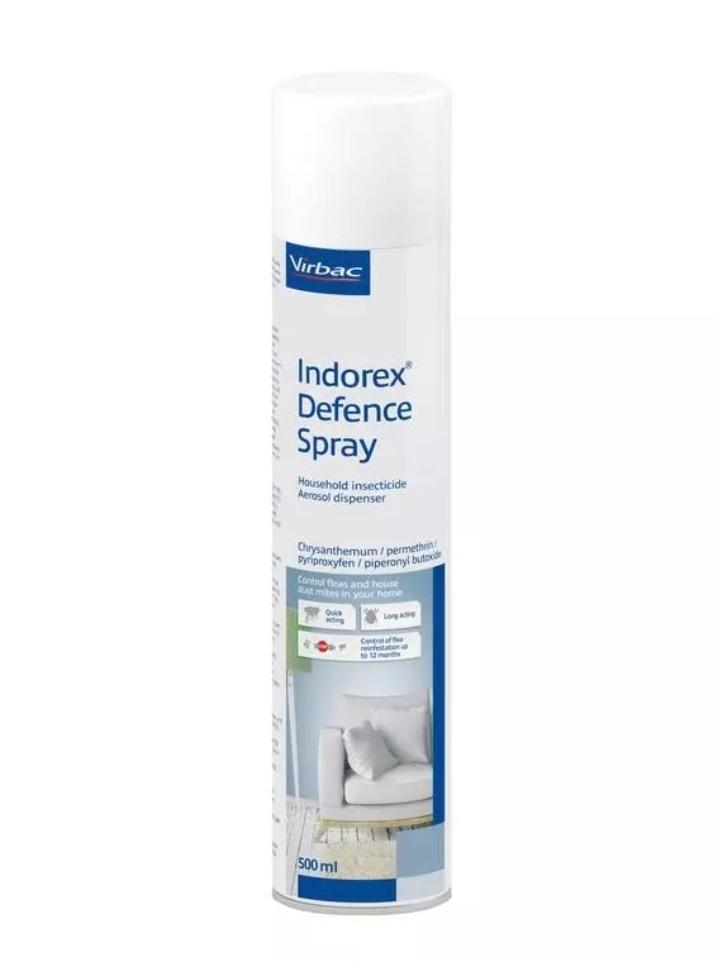
Use a household flea-control product that is suitable for your home and follow its label instructions precisely. Some products provide prolonged residual control after one application, while others require different approaches.
Pay particular attention to:
- Carpets and rugs
- Sofas and upholstered furniture
- Pet bedding and favourite sleeping areas
- Skirting boards and gaps in flooring
- Areas beneath furniture
- Pet carriers, vehicles and other places your animals regularly visit
- Wash pet bedding according to its care instructions, preferably on a hot wash where the material allows.
- Vacuum floors, carpets, furniture and areas around skirting boards regularly. Empty the vacuum cleaner promptly and safely after use.
Vacuuming helps remove eggs, larvae and debris, and can encourage fleas in their pupal cocoons to emerge, making them more vulnerable to appropriate flea-control measures.
5. Keep Up the Environmental Cleaning Routine
During an established infestation, a one-off clean may not be enough.
For the first three months, maintaining a consistent household flea-control routine can be a useful way to help tackle the continuing emergence of fleas from protected pupae.
This should include regular vacuuming, washing bedding and monitoring the areas where your pets spend the most time.
Household flea sprays must only be reapplied at the interval permitted by the product instructions. Treating the house twice a week is not appropriate for every product, so don't repeat insecticide applications more frequently than the label allows.
Always remove pets from treated areas as directed, ventilate the home where instructed, and take particular care around cats, rabbits, birds, fish and other sensitive animals.
If you're unsure which product or routine is appropriate, seek advice before applying anything.
What If I Still See Fleas After Treatment?
Don't automatically assume that treatment has failed.
Newly emerged fleas may continue appearing for several weeks as protected pupae hatch. This can happen even when you are following an effective flea-control plan.
Check that:
- Every pet has received suitable treatment.
- Treatments have been applied correctly and on schedule.
- The household has been treated as directed.
- Bedding and favourite resting areas are being cleaned regularly.
- There are no untreated animals or areas contributing to reinfestation.
If your pet has severe itching, sore or infected skin, hair loss, or appears weak or unwell, please contact your veterinary practice. Heavy flea infestations can cause serious problems, particularly in young, elderly or unwell animals.