Quick Pet Health Checks You Can Do at Home
Regular home health checks help you spot early signs of illness and keep your pet healthy. A simple weekly check can make a big difference and help you notice problems before they become serious.
Below are seven quick checks you can safely do at home:
1. Checking Your Pet’s Gum Colour
Your pet’s gums provide important clues about circulation and overall health.
How to check: gently lift your pet’s lip to see the gums above the teeth.
Normal vs abnormal
Healthy gums: salmon pink
Pale/white: possible blood loss or anaemia
Blue/purple: lack of oxygen – urgent vet attention
Bright red: possible overheating or inflammation
Yellow: may indicate liver problems
Capillary refill time: Press the gum lightly until it turns white, then release. Colour should return in 1–2 seconds. Slower than that may indicate a circulation problem.
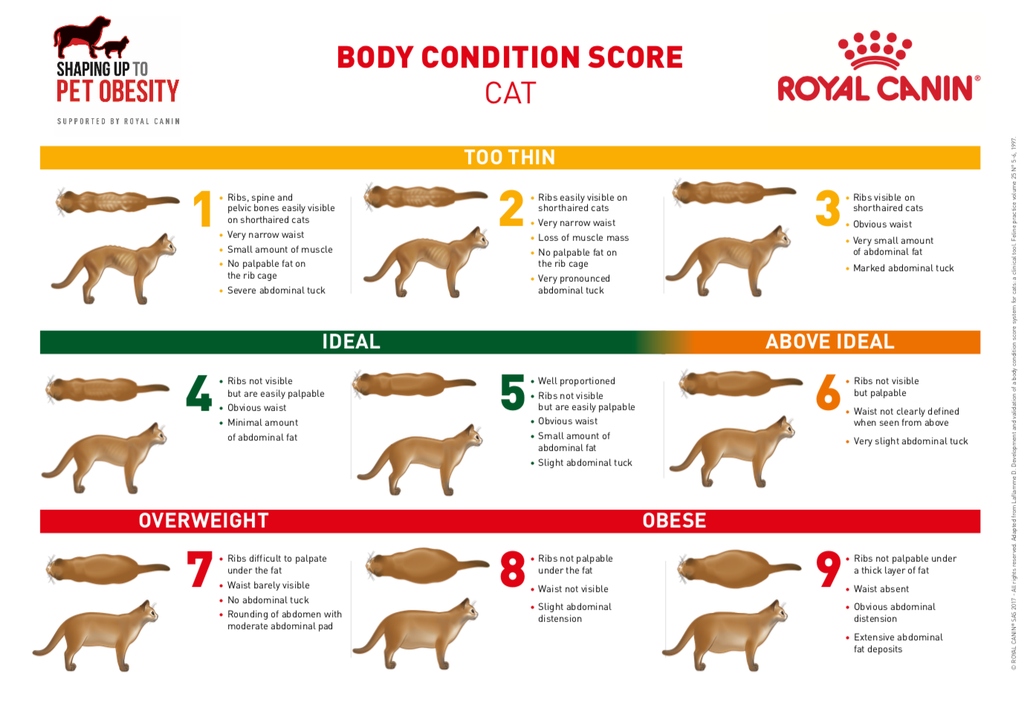
2. Body Condition Scoring
Checking your pet’s weight and body condition is essential for preventing obesity or malnutrition.
How to check: run your hands gently over your pet’s ribs.
Ideal weight: ribs can be felt but not seen
Overweight: ribs are hard to feel
Underweight: ribs, spine, and hip bones are very prominent
Also check for:
Visible waistline from above
Tummy tuck from the side
3. Checking Hydration
Hydration is crucial, especially in sick or older pets, or during warm weather.
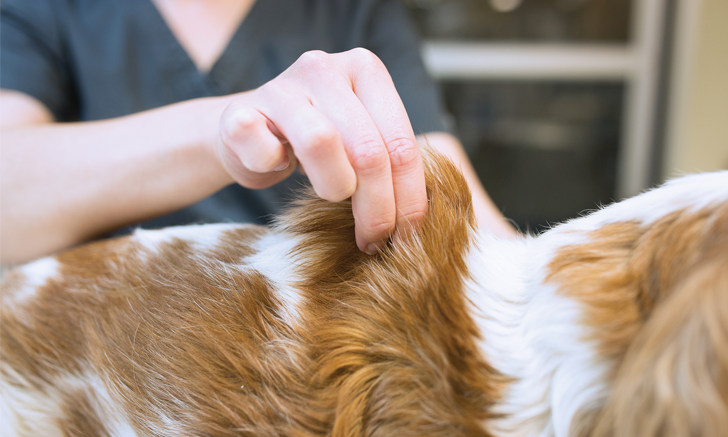
Skin tent test:
Gently lift the skin between the shoulders and release.
Skin should snap back immediately.
Slow return = dehydration
Other signs:
Sticky or dry gums
Sunken eyes
Lethargy or reduced appetite
4. Monitoring Temperature
A digital rectal thermometer is the most accurate way to check your pet’s temperature.
Normal ranges
Dogs and cats: 38.0°C – 39.2°C
Rabbits: 38.5°C – 40.0°C
Fever or hypothermia signs:
Lethargy, shivering, warm or cold ears and paws, reduced appetite
Temperature above 39.5°C or below 37.5°C should be checked by a vet.
5. Checking Your Pet’s Eyes
Eye checks can help detect infections, injuries, or other health issues early.
What to look for:
Clear, bright eyes without redness or cloudiness
No excessive tearing or discharge
Pupils equal in size and responsive to light
Abnormal signs:
Redness, swelling, or discharge
Cloudy or bluish eyes
Squinting or pawing at the eyes
6. Checking Your Pet’s Ears
Ear health is especially important for dogs and cats.
How to check: lift the ear flap and look inside
Healthy ears: clean, light pink, with no bad smell
Abnormal signs:
Dark waxy build-up
Redness, swelling, or foul odour
Scratching or head shaking
7. Checking Your Pet’s Nose
Your pet’s nose can indicate hydration and respiratory health.
What to look for:
Moist, smooth surface
No excessive discharge or bleeding
Symmetrical nostrils
Abnormal signs:
Crusty or dry nose
Thick yellow or green discharge
Sneezing, coughing, or laboured breathing
When to Contact a Vet:
Home checks are great for spotting issues early but do not replace veterinary care. Contact your vet if you notice: abnormal gum colour, signs of dehydration, changes in eyes, ears, or nose, sudden weight loss or gain, fever or abnormal temperature, lethargy, vomiting, or unusual behaviour.
✅ Performing these checks weekly helps you understand what is normal for your pet, making it easier to detect when something isn’t right.